Research & Development
Core Research Areas
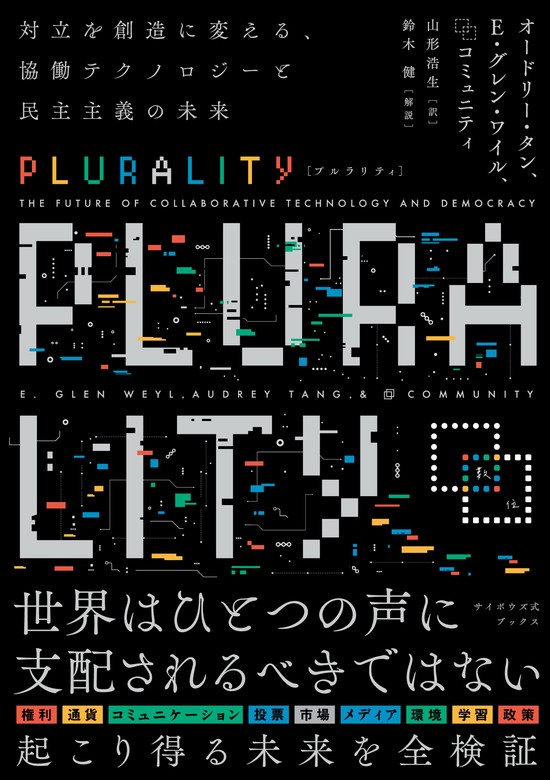
Plural Reality conducts foundational research that brings the latest technologies to bear on enduring questions. Our work spans fields from AI agents and HCI to voting theory.
Decentralized Web and Governance
Large-scale experiments in political institutions and behavior using decentralized autonomous organizations. Building transparent, tamper-proof voting and consensus systems using blockchain technology.
- Institutional design experiments with DAOs
- Quadratic voting implementation
- Retroactive public goods funding design
Deliberative Democracy
Redesigning deliberative democracy and governance structures. Moving beyond 'friend or foe' binary opposition to practice agonistic democracy for managing complex interests.
- Mini-publics institutional design
- Agonistic democracy in practice
- Credible neutrality
Human-Computer Interaction and AI Agents
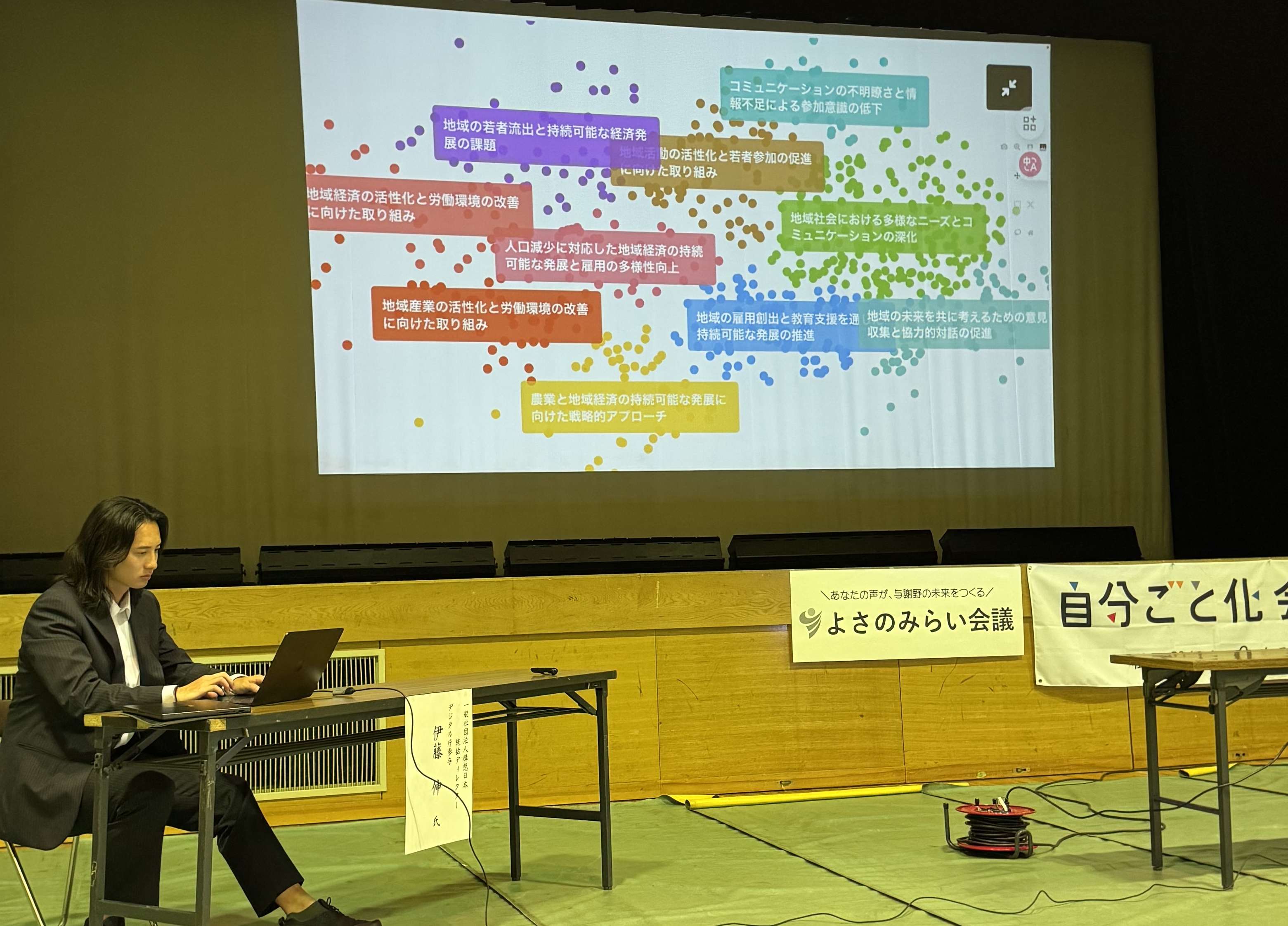
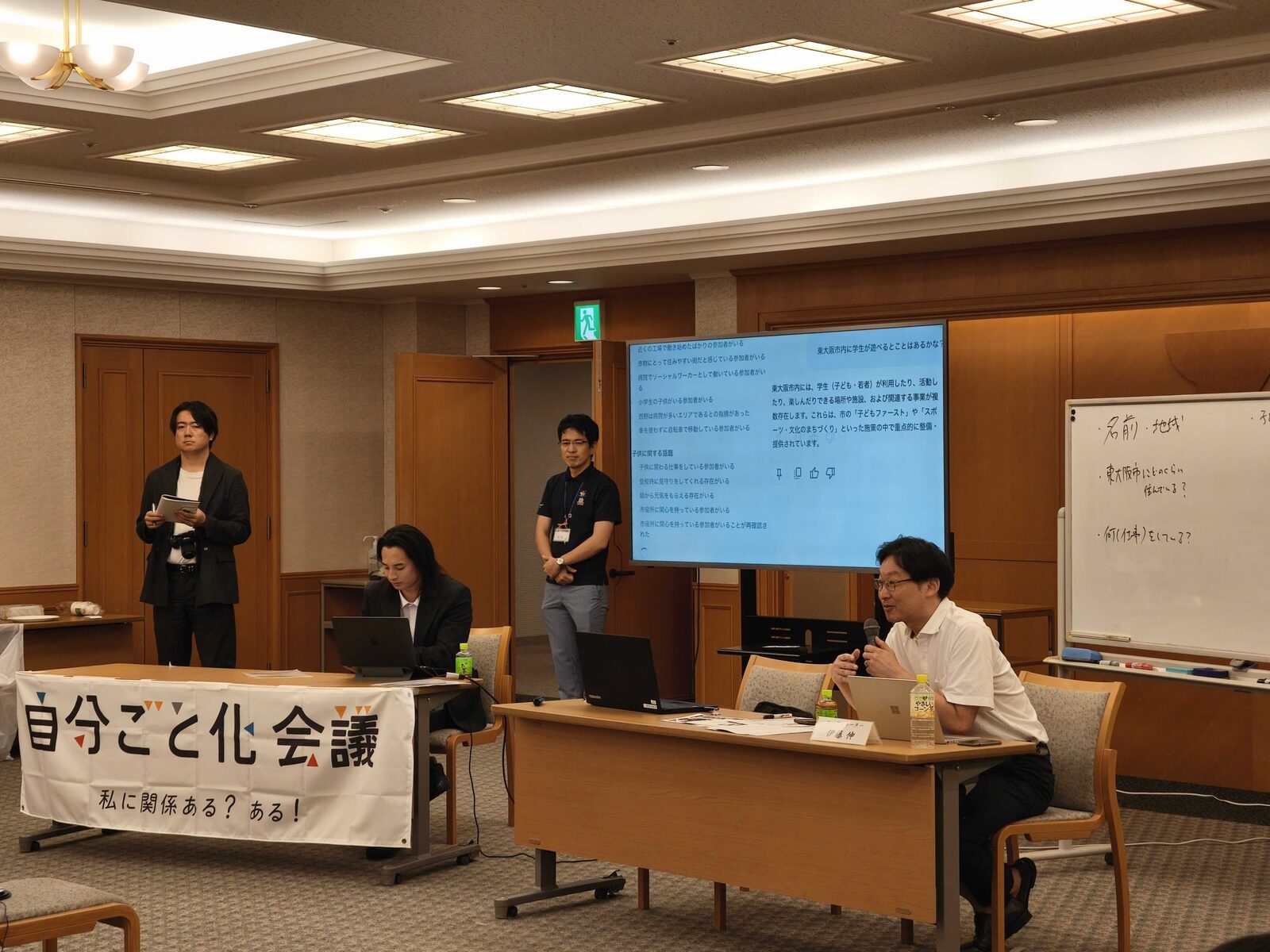
Research at the intersection of HCI and AI. Studying consensus-building processes through human-AI dialogue, including 'conclusion-manipulating AI prototypes' and 'AI interviewers.'
- AI-mediated communication
- Issue structuring with large language models
- Cybernetic interfaces
Research Articles
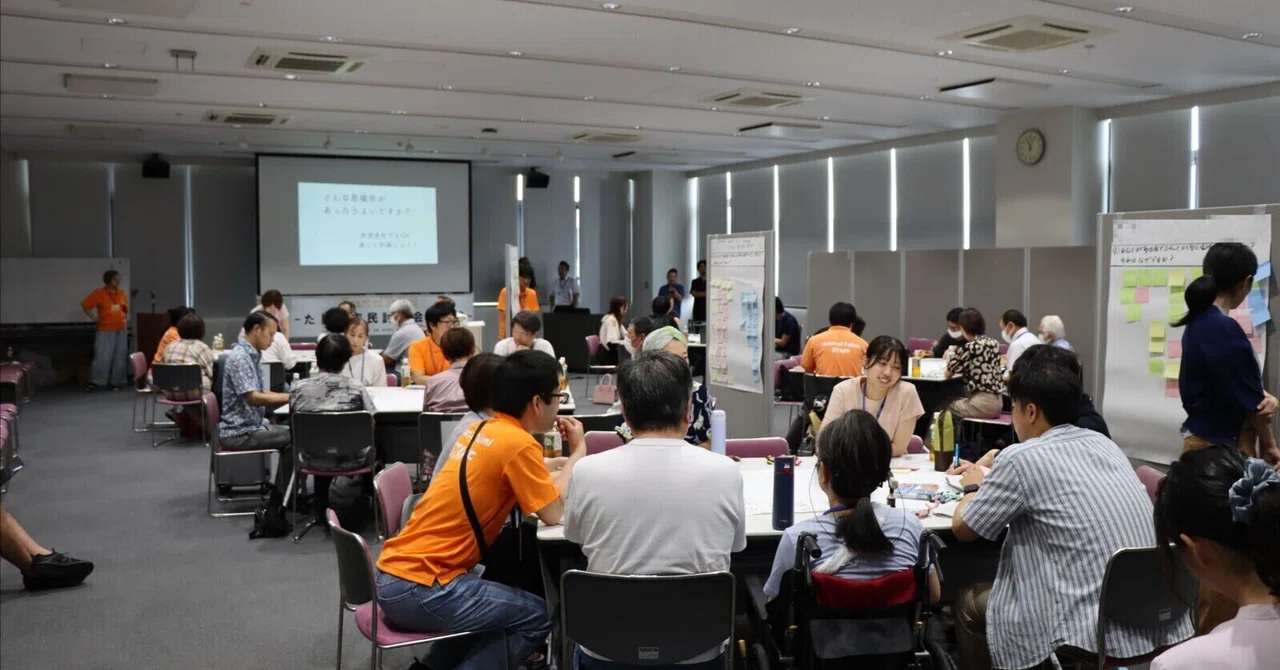
Making Implementation Visible After Citizens' Deliberations
Drawing on a visit to Tajimi's randomly selected citizens' deliberation to examine citizen-led operations, connections to government, minority perspectives, and tracking implementation after recommendations.

Creating Two-Way Science Communication with Interactive AI and Broad Listening
Studying two-way science communication by collecting and visualizing public interests through conversations with a researcher's AI clone, then sharing the findings with researchers.
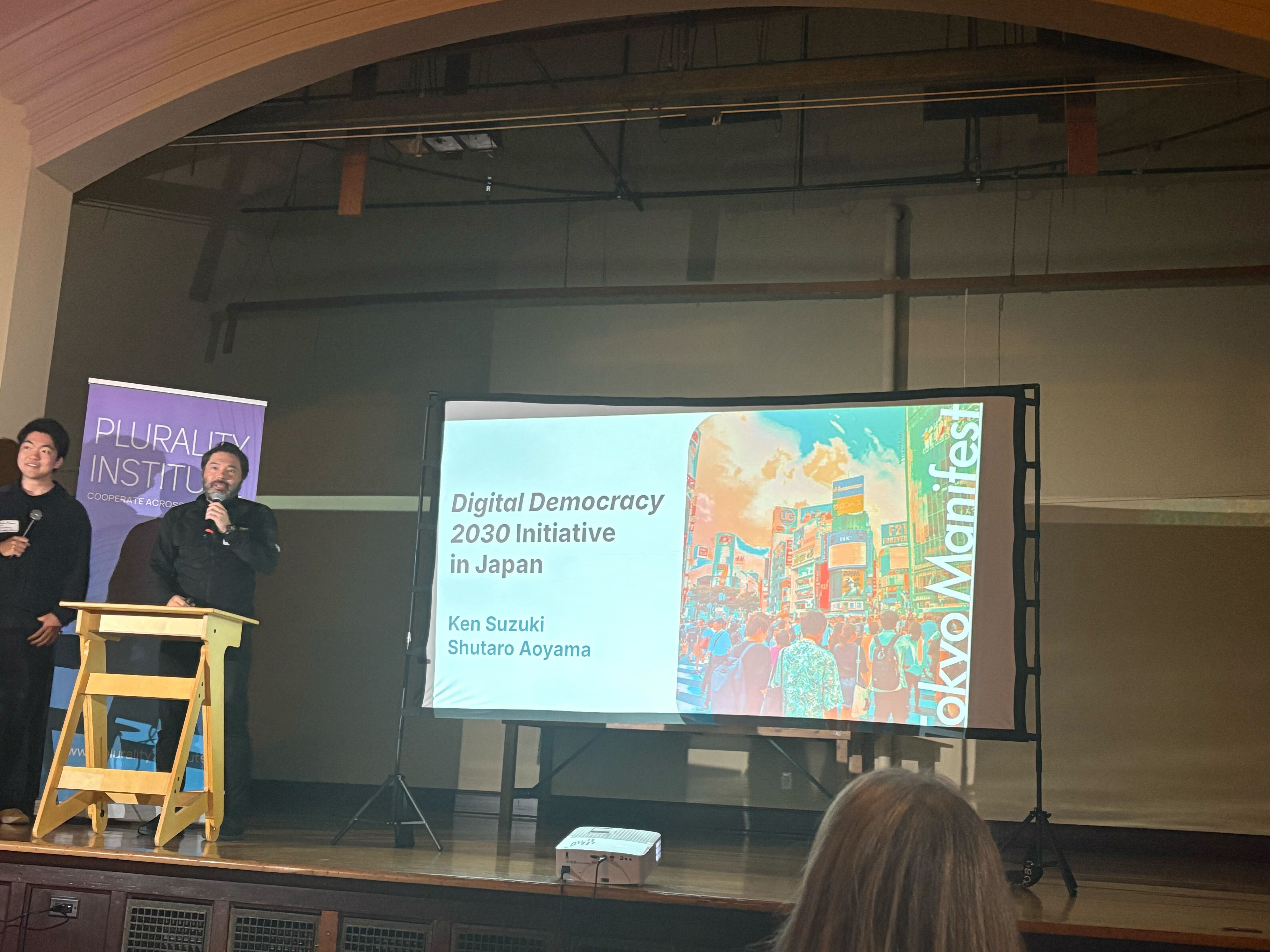
Tracing Deliberation Support from DD2030 to Community Assemblies and Plural Reality
Tracing deliberation support from DD2030's Idobata development through community assemblies to Plural Reality's Cartographer.
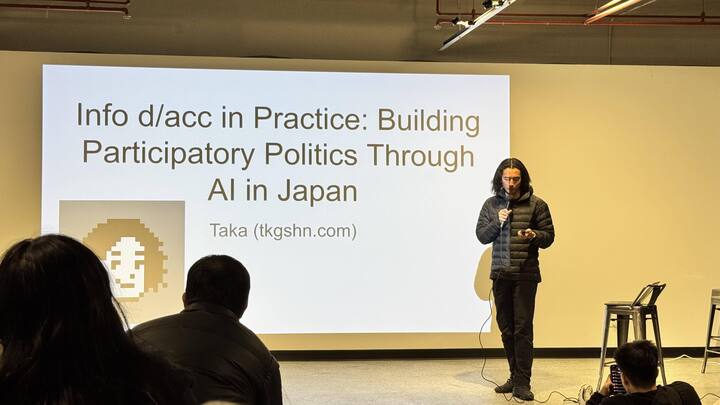
Considering Futarchy: Using Prediction Markets for Policy
Explaining how Futarchy incorporates prediction markets into policy decisions, along with its benefits and implementation challenges.
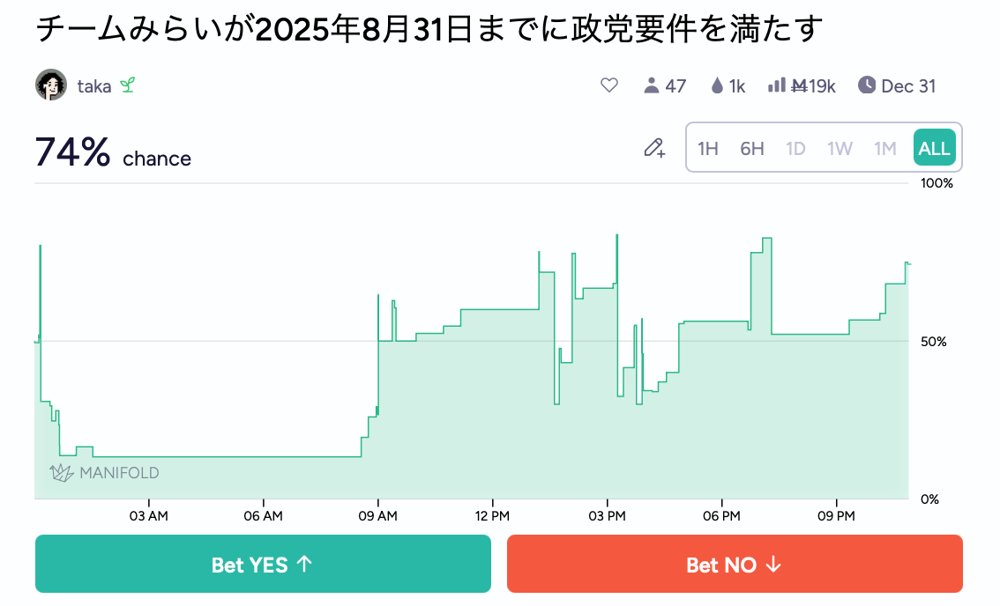
Testing the Possibilities and Limits of Information Aggregation in an Election Prediction Market
Using Team Mirai's election outcome to examine price formation, liquidity, and the oracle problem in prediction markets.
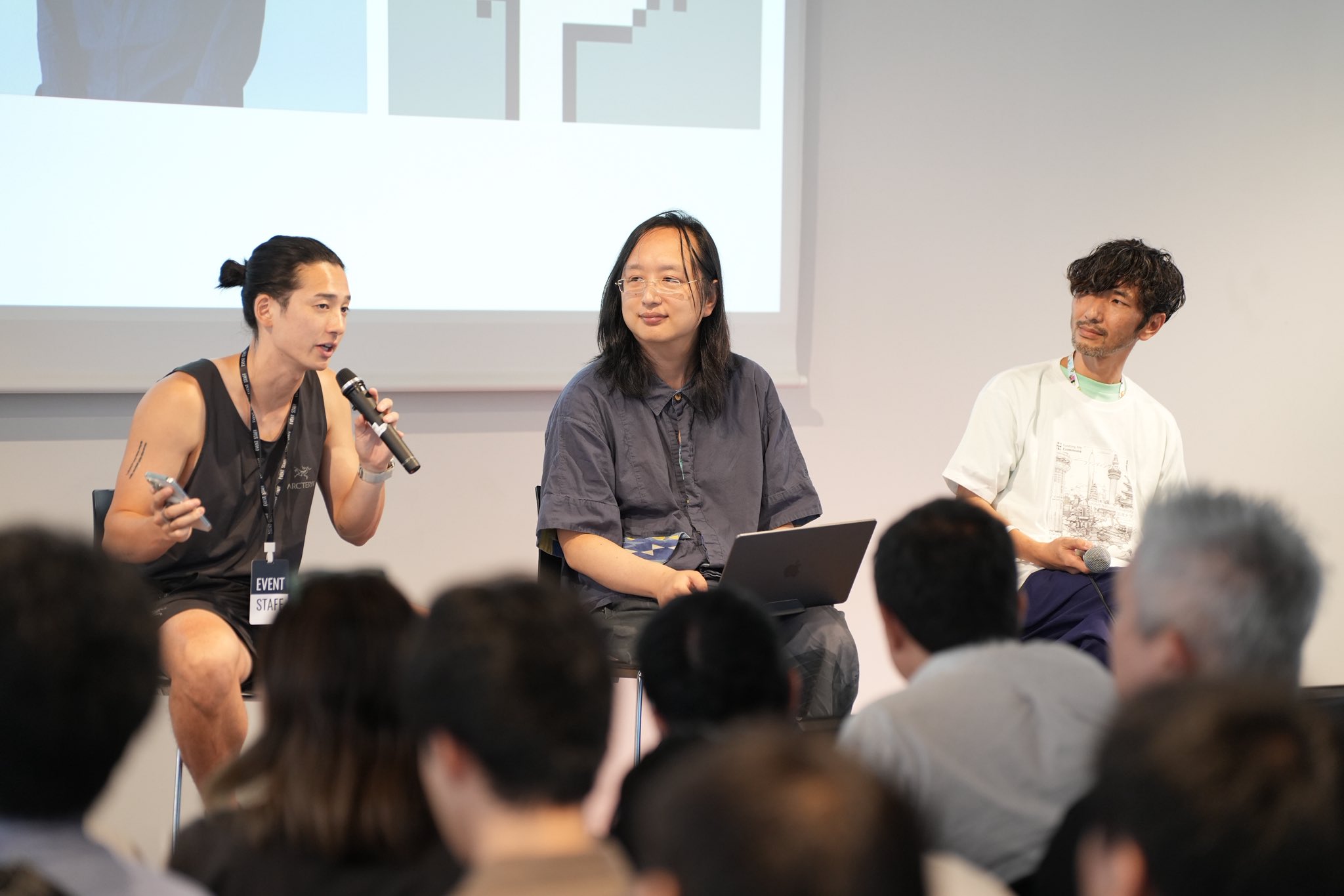
Testing the Social Adoption of Mechanisms That Support Plurality
Comparing governance technologies aligned with Plurality by their stage of implementation and potential for wider adoption.
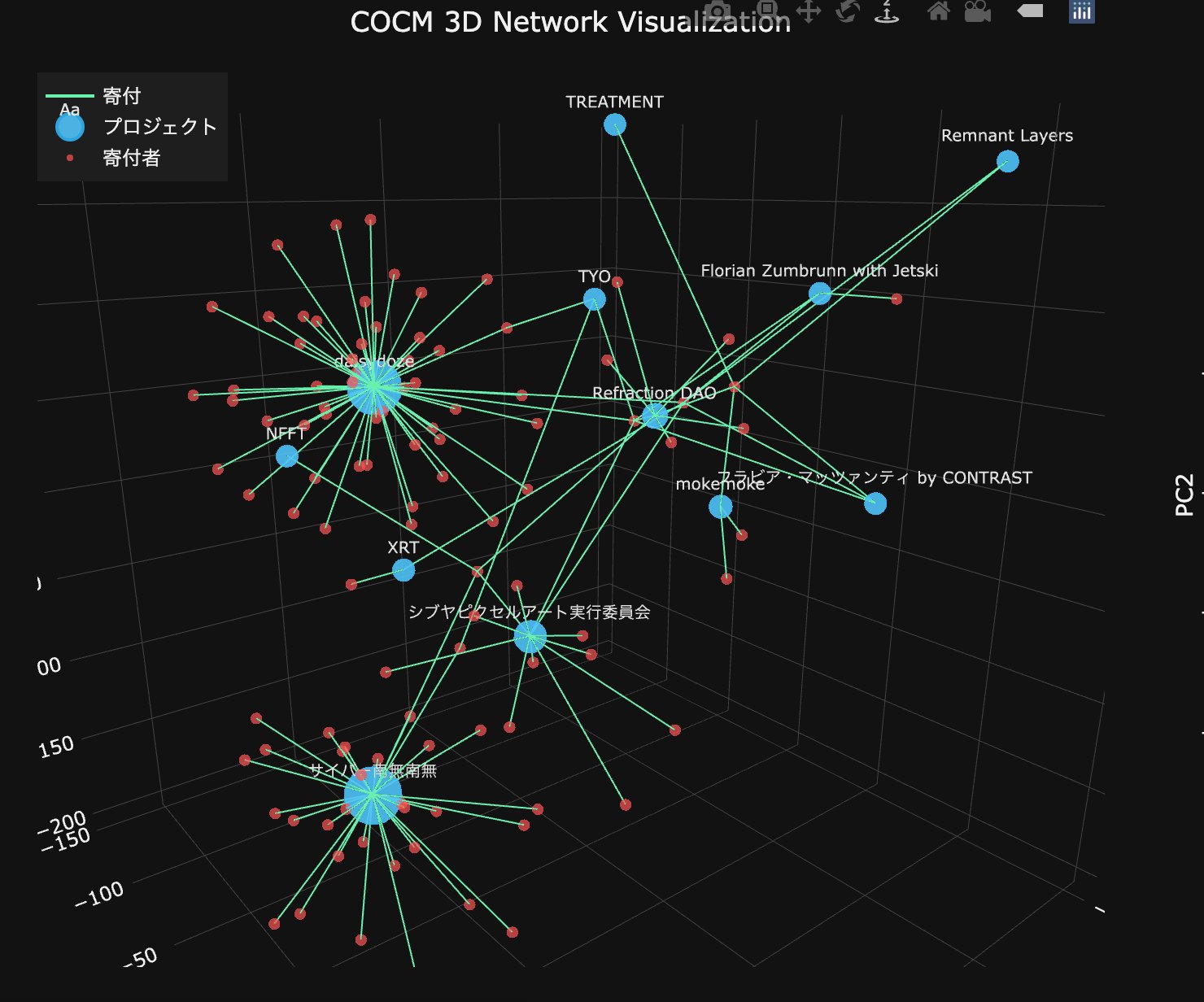
Exploring Collusion Resistance Through DIGSHIBUYA's Donation Network
Visualizing DIGSHIBUYA donation data to explore funding mechanisms that better resist Sybil attacks and collusion.

Augmenting Human Dialogue with Adaptive AI Agents
Presenting a communication model and prototype text chat in which paired AI agents dynamically shape messages between two people. An arXiv preprint.
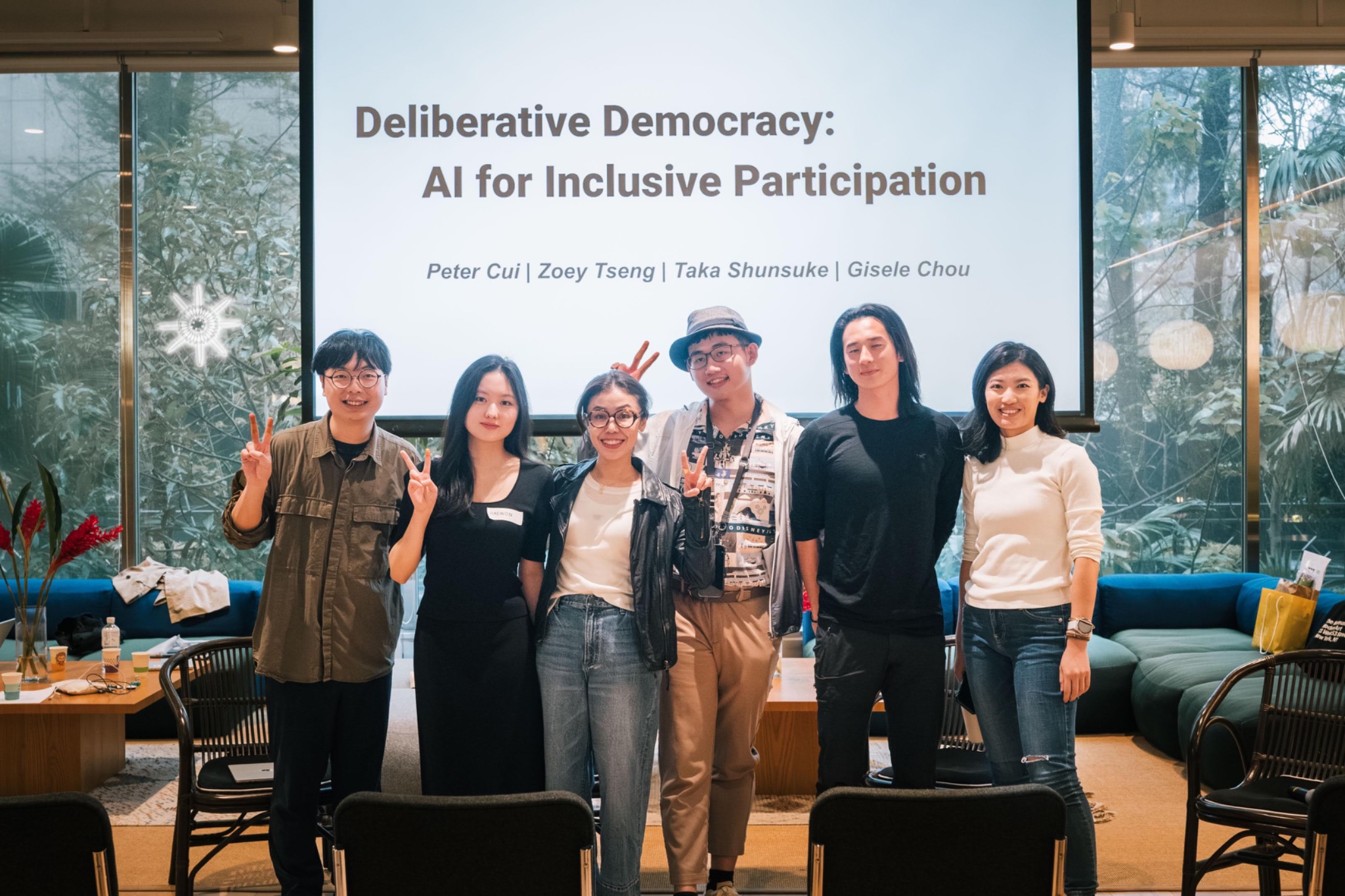
Understanding vTaiwan's Ideals and Challenges Through Field Research
Using field research in Taiwan to examine vTaiwan's participation pathways, in-person facilitation, and links to institutions.
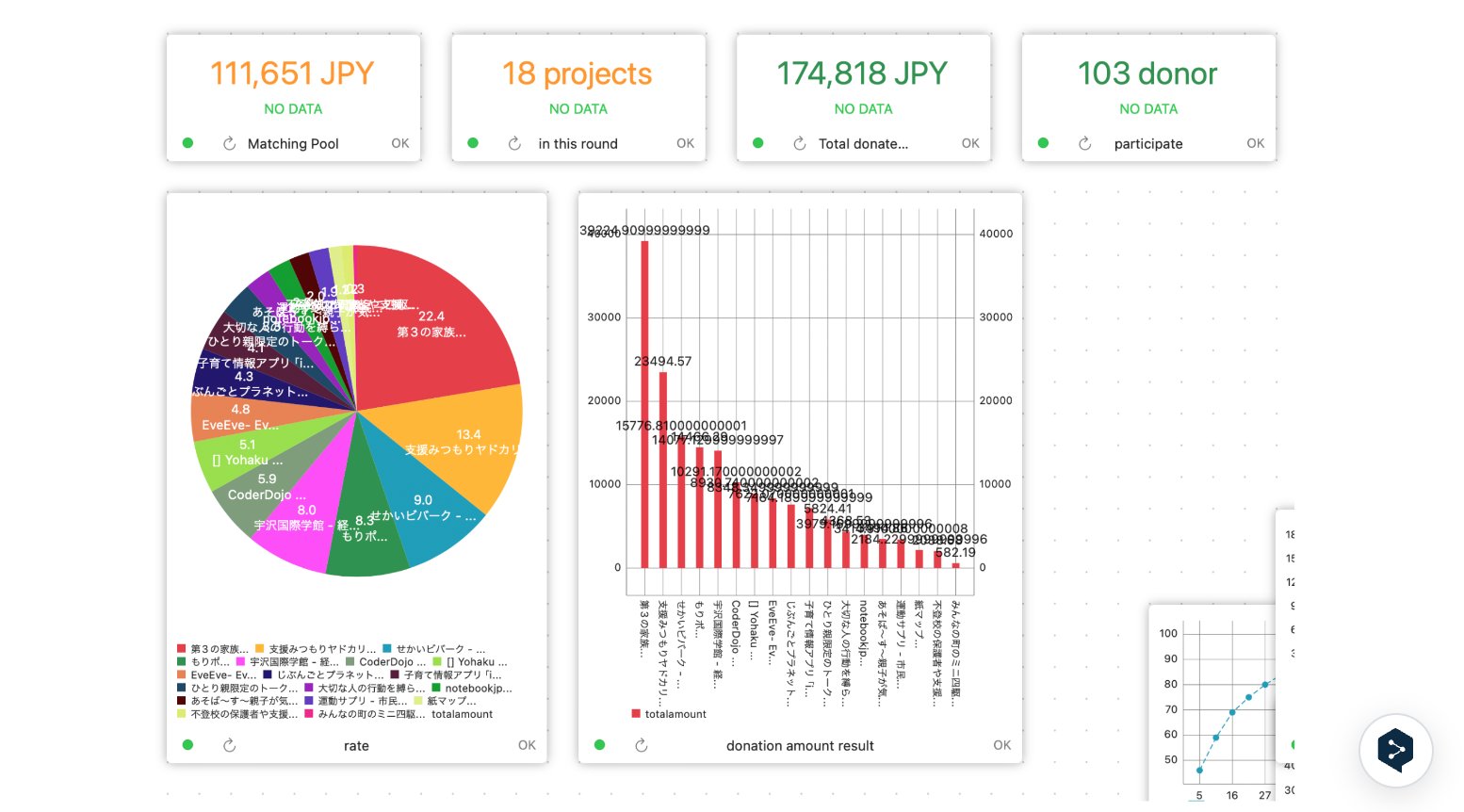
Testing Quadratic Funding Through the DigDAO Experiment
Examining the results and challenges of participatory funding through QF, based on donation data from 110 people across 18 DigDAO projects.
Impact Stories
Supporting all forms of decision-making with next-gen consensus tools for the AI era